
Can Hemorrhoids Go Away? Understanding Treatment and Recovery
October 31, 2025
Hemorrhoids are uncomfortable, frustrating, and sometimes even alarming, especially when they bleed, swell, or get in the way of everyday activities. Many people try diet changes, home remedies, or over-the-counter creams first, only to wonder whether hemorrhoids can simply fade away with time. While mild cases sometimes improve on their own, others need professional care to prevent symptoms from dragging on for weeks or returning again and again.
If you’re dealing with hemorrhoids, here’s a clear, easy-to-understand breakdown of what causes them, what helps them heal, and when it’s the right time to see a digestive health specialist.
What Exactly Are Hemorrhoids?
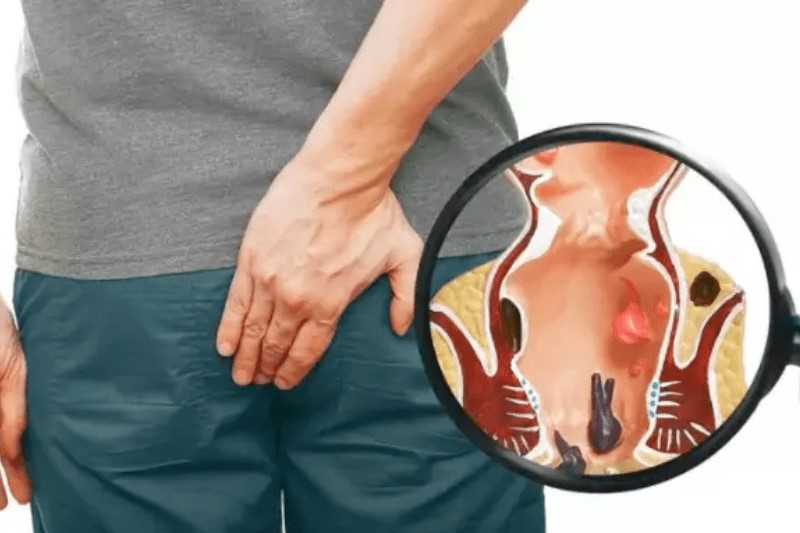
Hemorrhoids are swollen blood vessels in the lower rectum or around the anus. They’re extremely common, and their severity can range from mildly irritating to intensely painful.
There are two main types:
Internal Hemorrhoids
These develop inside the rectum. They usually don’t cause pain but can lead to bleeding, itching, or a feeling of pressure. Some internal hemorrhoids may prolapse, meaning they bulge out of the anus during bowel movements.
External Hemorrhoids
These form under the skin around the anus and are more likely to cause pain, swelling, and tenderness. If a blood clot forms inside one, the pain can appear suddenly and feel quite severe.
Understanding the type you have is important because it guides what kind of care will help you feel better fastest.
What Causes Hemorrhoids?
Hemorrhoids typically develop when pressure builds on the veins in the rectal or anal area. Common triggers include:
- Straining during bowel movements
- Chronic constipation or diarrhea
- Pregnancy and childbirth
- Sitting for long periods
- Being overweight
- Low-fiber diets
- Heavy lifting
- Aging, which weakens supporting tissues
While hemorrhoids are rarely dangerous, they can be persistent, and repeating habits that strain the area often lead to flare-ups that come and go over months or years.
Can Hemorrhoids Go Away On Their Own?
Yes, some hemorrhoids, especially smaller internal ones, can improve naturally with the right lifestyle adjustments. Increasing fiber, drinking more water, and avoiding straining often help reduce inflammation enough for symptoms to quiet down.
However, this depends on:
- The severity of the hemorrhoid
- How long have symptoms been present
- Your bowel habits
- Whether the hemorrhoid is prolapsed or thrombosed
Mild hemorrhoids may calm down within a few days. More stubborn cases often linger for weeks or repeatedly flare up, making it harder for them to truly “go away.”
If you’re unsure what type you have or symptoms keep coming back, it’s worth getting expert advice. Persistent hemorrhoids don’t always resolve without treatment, but the right care can stop the cycle.
Helpful Home Remedies and Self-Care Tips
Many people can manage early or mild hemorrhoids at home. These simple changes are often the first step doctors recommend:
1. Add More Fiber
Eating fruits, vegetables, whole grains, and legumes helps soften stool, making bowel movements less painful. Fiber supplements can be useful too.
2. Drink Plenty of Water
Hydration keeps stools soft and prevents straining, one of the biggest causes of hemorrhoids.
3. Take Sitz Baths
Sitting in warm water for 10–15 minutes can ease swelling and irritation, especially after bowel movements.
4. Use Over-the-Counter Products
Creams, wipes, and suppositories may offer temporary relief from itching or discomfort. While helpful, they generally don’t fix the underlying cause.
5. Improve Bathroom Habits
Avoid straining, don’t sit on the toilet for long periods, and respond promptly when you feel the urge to go.
These steps can make a big difference, but if symptoms don’t improve or you’re dealing with recurring issues, it may be time for medical treatment.
When Should You See a Specialist?
It’s a good idea to visit a hemorrhoid specialist if you experience:
- Frequent or ongoing rectal bleeding
- Significant pain or swelling
- A lump that doesn’t go away
- Prolapsed hemorrhoids
- Symptoms that keep returning despite home care
- Uncertainty about whether symptoms are truly hemorrhoid-related
At this stage, an evaluation can bring clarity, and treatment can bring long-lasting relief.
Professional Hemorrhoid Treatments Available in Phoenix
If home remedies aren’t enough, several minimally invasive, office-based procedures can effectively treat internal hemorrhoids. These treatments are fast, done without general anesthesia, and typically have quick recovery times.
At Digestive Institute of Arizona, some common options include:
Rubber Band Ligation
One of the most widely used treatments for internal hemorrhoids. A tiny band is placed at the base of the hemorrhoid to cut off blood flow, causing it to shrink and fall away. Most patients experience noticeable relief within days.
Infrared Coagulation (IRC)
Infrared light creates scar tissue that blocks blood supply to the hemorrhoid, causing it to reduce in size.
Surgical Hemorrhoid Removal
Reserved mainly for large, painful, or recurrent hemorrhoids that don’t respond to other treatments.
Digestive Institute of Arizona provides personalized recommendations based on your condition, symptoms, and treatment goals, ensuring a more comfortable and effective recovery.
Preventing Future Hemorrhoids
To lower the chances of hemorrhoids returning, try:
- Eating a high-fiber diet every day
- Drinking enough water
- Staying active
- Avoiding long periods of sitting
- Practicing healthy bowel habits
- Managing weight
Small adjustments often make a noticeable difference.
Frequently Asked Questions
- Can hemorrhoids go away without treatment?
Yes, mild cases often improve with fiber, hydration, and better bathroom habits. - How long do hemorrhoids take to heal naturally?
Anywhere from a few days to a few weeks, depending on severity. - What home remedies actually help?
Sitz baths, a high-fiber diet, proper hydration, and gentle topical products. - When should I see a hemorrhoid doctor in Phoenix?
If you have ongoing bleeding, severe pain, prolapse, or symptoms that return repeatedly. - What treatments are available?
Rubber band ligation, sclerotherapy, infrared coagulation, and surgical removal for more advanced cases. - Can lifestyle changes prevent hemorrhoids?
Yes, good diet, hydration, exercise, and healthy bowel habits dramatically reduce risk.
Final Thoughts
Hemorrhoids can be painful and disruptive, but you don’t have to manage them alone. While mild cases sometimes improve with home care, persistent or recurring symptoms often need professional attention. The team at Digestive Institute of Arizona offers expert evaluation and a full range of minimally invasive treatments to help you feel better, quickly and comfortably.
If you’re tired of ongoing discomfort or want personalized guidance, scheduling a consultation is a simple and effective next step.